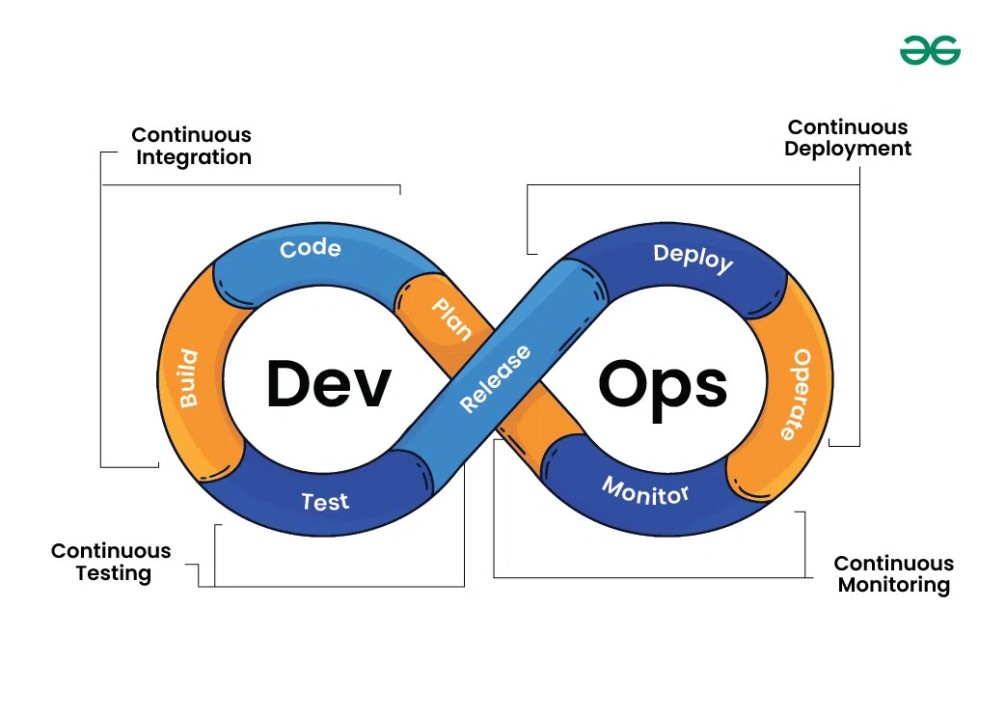
Modern businesses can’t afford slow, disconnected development processes. That’s why DevOps engineers are essential. They bring development and operations together, ensuring faster releases, smoother workflows, and fewer errors. So, What Does a DevOps Engineer Do exactly? They automate systems, optimize infrastructure, and bridge team communication. Furthermore, they help organizations deliver reliable software at scale. At Techstack Digital, DevOps engineers transform traditional workflows into efficient, continuous pipelines. In this blog, we’ll take a closer look at their responsibilities, tools, and mindset—showing why this role has become the backbone of modern software delivery.
Bridging Development and Operations
The first task of a DevOps engineer is to close the gap between software developers and IT operations. Traditionally, these teams worked separately, leading to communication breakdowns and delays. DevOps engineers integrate their efforts through shared goals, processes, and tools.
Furthermore, they build pipelines that automate testing, integration, and deployment—ensuring that every code update moves seamlessly from development to production. Additionally, they encourage cross-functional collaboration by promoting transparency and accountability within teams. At Techstack Digital, this collaboration creates faster release cycles and fewer bottlenecks. By combining technical and interpersonal skills, DevOps engineers make sure development and operations work as one powerful unit, turning complex projects into smooth delivery systems.
Building and Managing CI/CD Pipelines
A key part of What Does a DevOps Engineer Do is setting up Continuous Integration and Continuous Deployment (CI/CD) systems. These pipelines automate how code is built, tested, and deployed. This means faster, safer releases with less manual work.
Furthermore, tools like Jenkins, GitHub Actions, or GitLab CI ensure every code change is verified automatically. DevOps engineers monitor these pipelines to prevent downtime or conflicts during deployment. Additionally, they set up rollback mechanisms in case of errors, keeping systems resilient.
At Techstack Digital, engineers customize CI/CD workflows based on project needs—enabling startups and enterprises alike to scale rapidly. These automated systems bring agility and consistency, transforming how teams deliver updates to users.
Automating Infrastructure and Environments
DevOps engineers use automation to handle infrastructure setup and management efficiently. Instead of manually configuring servers, they rely on Infrastructure as Code (IaC) tools such as Terraform, Ansible, or AWS CloudFormation. This makes the environment reproducible, scalable, and version-controlled.
Furthermore, they automate scaling, monitoring, and backups to reduce manual errors and downtime. This ensures stability even when systems face sudden traffic spikes. Additionally, DevOps engineers leverage containerization tools like Docker and orchestration platforms like Kubernetes to deploy applications consistently across environments.
Automation drives cost efficiency and performance. By scripting infrastructure, DevOps engineers free teams from repetitive work, allowing them to focus on innovation. In short, automation forms the foundation of reliability and scalability in modern DevOps practices.
Ensuring Security and System Reliability
A vital aspect of What Does a DevOps Engineer Do is maintaining security and reliability across the software lifecycle. They adopt DevSecOps principles, integrating security checks directly into CI/CD pipelines. Tools like SonarQube, Snyk, and Trivy scan for vulnerabilities before deployment.
Furthermore, DevOps engineers enforce access controls, encrypt data, and monitor infrastructure for potential threats. This proactive approach reduces risk and ensures compliance with global security standards. Additionally, they use monitoring tools like Prometheus, Grafana, and ELK Stack to detect anomalies in real time.
Engineers believe reliability equals trust. By combining automation with constant vigilance, they create systems that perform flawlessly under pressure. The result is secure, stable software users can depend on.
Promoting a Culture of Continuous Improvement
DevOps isn’t just about tools—it’s a mindset. A successful engineer fosters a culture of learning, experimentation, and optimization. They analyze performance metrics, deployment frequency, and system health to find areas for improvement.
Furthermore, they encourage teams to fail fast and recover faster. Post-incident reviews help identify weak points and strengthen processes. Additionally, DevOps engineers advocate for collaboration and shared ownership, ensuring that everyone—from developers to managers—understands how their work impacts delivery.
Continuous improvement drives long-term success. Engineers stay updated with new technologies, frameworks, and automation strategies to keep clients ahead of the curve. In essence, DevOps engineers are both problem-solvers and growth enablers.
Conclusion
To sum up, What Does a DevOps Engineer Do goes far beyond managing servers or writing scripts. They connect people, processes, and technology to build a continuous, efficient workflow. Furthermore, they automate, secure, and monitor systems to ensure that every release is reliable and fast. At Techstack Digital, DevOps engineers empower brands to scale confidently and innovate without friction. In today’s world, where speed and stability define success, their role is indispensable. Simply put, DevOps engineers are the architects of modern development—turning complexity into consistency every single day.