
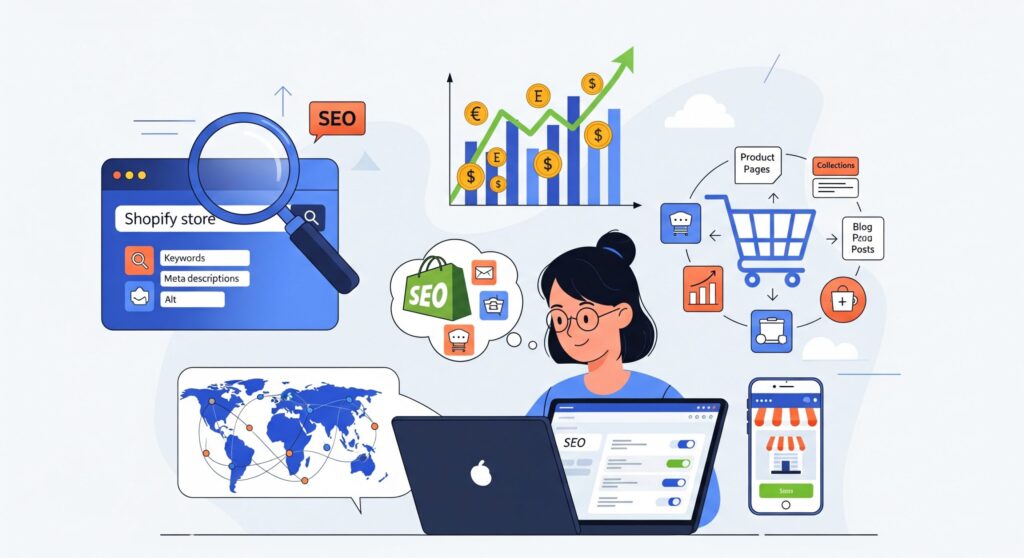
For modern eCommerce brands, digital success depends on more than having products online. Customers expect a seamless experience from the first click to the final checkout. They want fast websites, clear product information, trustworthy branding, simple navigation, flexible payment options, and a buying journey that feels effortless. When these elements are aligned, an online store can become a powerful growth engine for the business.
A strong eCommerce website starts with strategic design. It is not enough for a website to look professional. It must also support customer decision-making, reduce friction, and encourage visitors to take action. This is why working with an experienced website design agency can deliver significant commercial value. A good agency understands how design, user experience, content, technology, and conversion strategy work together.
The first few seconds of a website visit are critical. Customers quickly decide whether a brand feels credible, relevant, and easy to engage with. If the website is slow, difficult to navigate, or visually outdated, users may leave before exploring the products. On the other hand, a well-designed website can build confidence immediately and guide customers towards making a purchase.
Effective website design focuses on the full customer journey. This includes homepage messaging, category navigation, product page structure, mobile responsiveness, checkout experience, trust signals, and post-purchase engagement. Every page should have a clear purpose and every interaction should support the customer’s next step.
For eCommerce businesses, product discovery is especially important. Customers should be able to find what they need quickly through intuitive menus, filters, search functionality, and well-structured categories. Product pages should include high-quality images, clear descriptions, pricing, delivery information, reviews, specifications, and persuasive calls to action. These elements help remove uncertainty and improve conversion rates.
However, even the best website needs the right traffic. Without visibility in search engines, businesses may become overly reliant on paid advertising to generate sales. This can increase acquisition costs and limit long-term profitability. Investing in ecommerce seo helps online stores build sustainable organic visibility and attract customers who are actively searching for relevant products.
eCommerce SEO is highly specialised because online stores often involve complex website structures. Product pages, category pages, collection pages, filters, tags, and large catalogues all need to be managed carefully. Poor technical structure can create duplicate content, crawl issues, slow page speed, and missed ranking opportunities. A strong SEO strategy ensures search engines can understand the website while users enjoy a better experience.
A successful eCommerce SEO campaign usually includes keyword research, technical optimisation, content planning, internal linking, metadata improvements, structured data, page speed enhancements, and competitor analysis. The objective is not simply to increase rankings, but to attract high-intent visitors who are more likely to convert into customers.
Category pages are often a major opportunity for eCommerce SEO. These pages can target important commercial keywords while helping customers compare product options. Product pages also play a critical role, particularly when they include unique descriptions, helpful information, optimised images, reviews, and clear buying prompts. When content is useful for both users and search engines, the entire website becomes stronger.
For many online retailers, Shopify is one of the most effective platforms for building and managing an eCommerce store. It offers flexibility, usability, and a strong ecosystem of apps and integrations. However, achieving strong performance on Shopify requires more than installing a theme. Professional Shopify Developers can customise the platform to suit business goals, improve usability, and create a more scalable online store.
Shopify development can include custom theme design, advanced product filtering, app integration, checkout optimisation, speed improvements, inventory system connections, payment gateway setup, and marketing automation integration. These enhancements can improve both the customer-facing experience and the internal management of the store.
A well-developed Shopify website also supports operational efficiency. When systems are connected properly, businesses can manage stock, orders, customer data, shipping, reporting, and marketing workflows more effectively. This reduces manual effort and creates a stronger foundation for future growth.
SEO should also be considered during Shopify development. Website structure, collection pages, URL formats, page speed, mobile experience, and content areas can all impact organic visibility. By bringing SEO thinking into the development process early, businesses can avoid costly issues and create a stronger digital platform from the start.
Partnering with a specialist SEO Agency can help businesses turn their website into a long-term acquisition channel. A strategic SEO agency will identify where the strongest opportunities exist, prioritise technical fixes, improve content quality, and track performance against commercial outcomes.
The best SEO strategies are grounded in data. This includes understanding which keywords drive qualified traffic, which pages generate revenue, where competitors are gaining visibility, and how customers behave on the website. These insights allow businesses to make smarter decisions and continuously refine their digital roadmap.
The future of eCommerce will reward brands that invest in performance, trust, and customer experience. Search engines are becoming better at recognising quality websites, and customers are becoming less tolerant of poor digital journeys. This means businesses need websites that are fast, helpful, secure, scalable, and built around real user needs.
Ultimately, sustainable eCommerce growth comes from alignment. Website design creates the experience. Shopify development powers the platform. eCommerce SEO drives organic visibility. Ongoing SEO strategy builds long-term authority. When these elements work together, businesses can create a digital ecosystem that attracts the right audience, converts more visitors, and supports profitable growth.
For eCommerce brands ready to move beyond short-term tactics, investing in the right digital foundations is a smart and future-ready decision. A high-performing website can become more than an online store. It can become a central business asset that supports visibility, customer engagement, operational efficiency, and long-term commercial momentum.
