Polycrystalline solar panels have been used for years on commercial rooftops, warehouses, schools, municipal buildings, solar farms, and residential properties. Known for their blue-toned solar cells and reliable performance, these panels helped make solar energy more accessible for many businesses and property owners.
Like all solar equipment, polycrystalline panels do not last forever. Panels may be removed because of age, storm damage, lower performance, system upgrades, roof replacement, warranty issues, or full solar site decommissioning. When that happens, proper polycrystalline solar panel recycling helps recover valuable materials and keeps large volumes of solar waste out of landfills.
What Are Polycrystalline Solar Panels?
Polycrystalline solar panels are made from silicon crystals that are melted together and formed into solar cells. Unlike monocrystalline panels, which are made from a single silicon crystal structure, polycrystalline panels use multiple silicon fragments. This gives them their distinct blue appearance.
These panels are built with several layers and materials, including glass, aluminum framing, silicon cells, wiring, junction boxes, plastic backing, and protective polymer layers. Because these materials are bonded together, polycrystalline solar panels should not be treated like regular trash or simple construction debris.
Why Polycrystalline Solar Panels Should Be Recycled
Recycling polycrystalline solar panels is important because the panels contain materials that still have value after the panel stops producing electricity efficiently. Glass, aluminum, copper wiring, silicon-based material, and electrical components can often be recovered through the right recycling process.
Without proper recycling, used solar panels may be stockpiled, dumped, or sent to disposal facilities where reusable materials are wasted. For businesses and organizations focused on sustainability, recycling solar panels is a practical way to support cleaner energy from start to finish.
Solar energy is designed to reduce environmental impact. Proper end-of-life recycling helps make sure that same responsibility continues when panels are removed from service.
Start With Safe Removal
The recycling process begins before the panels ever leave the property. Polycrystalline solar panels should be removed carefully by qualified professionals who understand electrical systems, rooftop safety, and solar equipment handling.
Even old or underperforming panels may still generate electricity when exposed to sunlight. That means panels should be disconnected, handled, and staged properly. Careless removal can lead to broken glass, exposed wiring, damaged frames, and unnecessary safety issues.
Panels should not be thrown from rooftops, tossed into dumpsters, or mixed with general demolition waste. Keeping them intact whenever possible makes recycling and transportation easier.
Sort and Prepare the Panels
After removal, the panels should be inspected and organized. Cracked panels, intact panels, burned panels, and panels with exposed wiring should be separated when possible. This helps the recycling provider understand what material is being collected and how it should be handled.
Polycrystalline panels should be stacked neatly, usually on pallets, and secured to reduce shifting during storage or transport. Broken panels should be handled with extra care because of sharp glass and exposed internal components.
If the project includes other solar equipment, such as inverters, racking, batteries, wiring, or junction boxes, those materials should be separated from the panels. Many of these items can also be recycled, but they may follow a different process.
Work With a Solar Panel Recycling Provider
The most efficient way to recycle polycrystalline solar panels is to work with a recycling provider that handles solar equipment. This is especially important for commercial properties, solar contractors, schools, municipalities, utilities, and solar farm operators managing larger volumes.
A recycling provider can help coordinate pickup, packaging guidance, transportation, and processing. This reduces confusion for the property owner and helps ensure the panels are not sent into the wrong waste stream.
For larger projects, planning ahead is important. Roof replacements, storm damage removals, and solar farm decommissioning projects can generate hundreds or thousands of panels at one time. Having a recycling plan in place before removal begins can prevent storage problems and unnecessary delays.
What Materials Can Be Recovered?
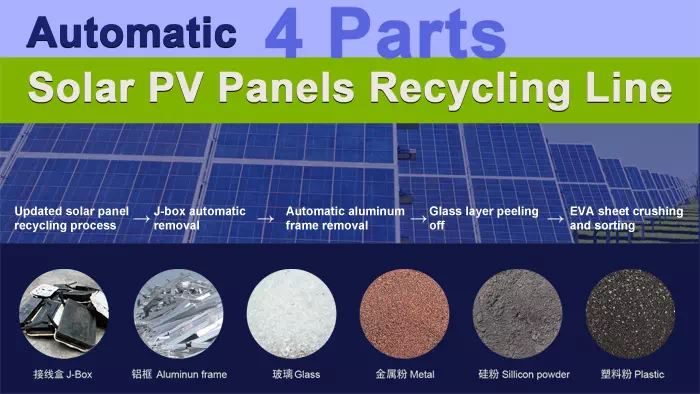
Polycrystalline solar panels contain several recyclable materials. The aluminum frame is often one of the easiest materials to recover. Glass makes up a large portion of the panel and can also be separated through certain recycling processes. Copper wiring, junction box components, and silicon-based cell material may also be recovered depending on the recycling method used.
While solar panel recycling can be more involved than standard scrap recycling, it plays an important role in reducing waste from the renewable energy industry.
Final Thoughts
Polycrystalline solar panels helped expand access to solar energy, but they still require a responsible end-of-life solution. When panels are damaged, outdated, removed, or replaced, recycling is the right way to manage them.
By removing panels safely, keeping them organized, separating damaged material, and working with a qualified solar panel recycling provider, businesses and organizations can reduce waste, recover useful materials, and support a more responsible solar industry.