
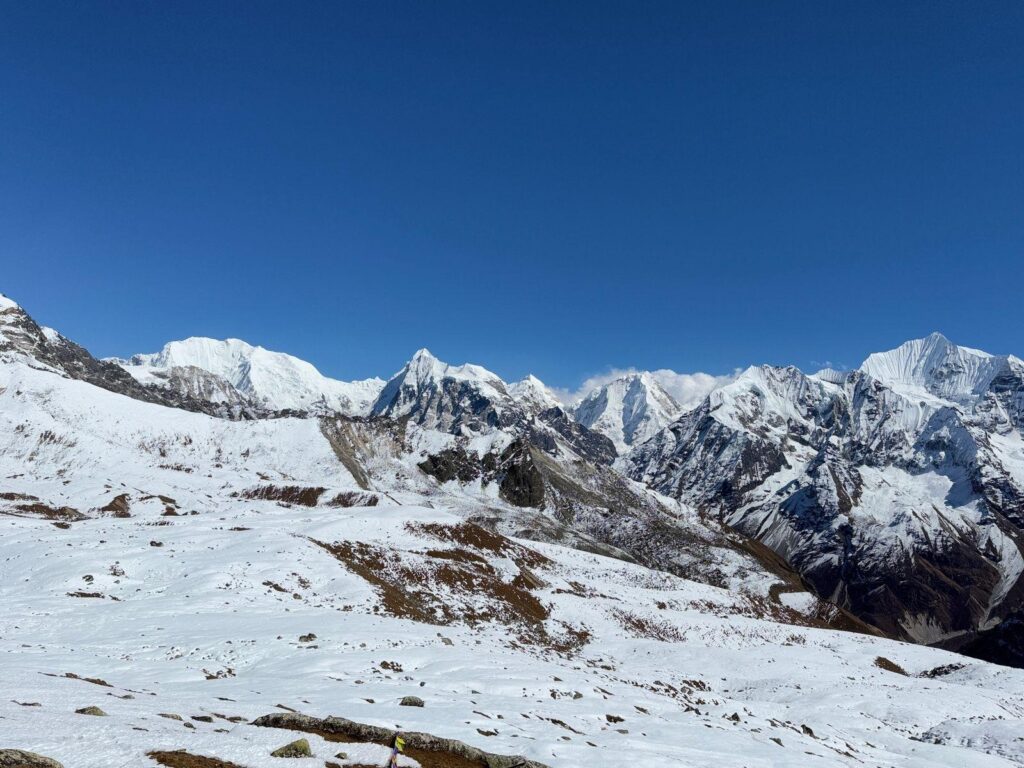
Stability wavers underfoot as jagged stones and shifting gravel test every step. Though views grab attention, it is the unpredictable Earth that demands focus; instead of smooth trails, ridges carved by ice force slow, deliberate motion. Each turn brings a new angle, a fresh demand for coordination. With thin air sapping strength, missteps grow easier after hours of climbing. For 2026, those heading toward base camp pay closer attention to how they move. Rather than rushing upward, many practice controlled strides to avoid strain. Slipping becomes likely where slopes tilt without warning. Ankles twist if concentration fades even briefly.
Most people think balance means strong legs. Yet it really comes down to timing, focus, and how you place your feet—moving across shifting snow and rock demands knowing how your body shifts weight. When hikers learn what the ground does underfoot, each step becomes smoother. Confidence builds when movement feels natural. Less effort gets wasted. Fewer slips happen on steep paths. Reaching Everest Base Camp turns less about pushing through pain, more about moving smart.
Placing Feet on Rough Himalayan Paths
Standing correctly matters a lot when walking toward Everest Base Camp. On mountain paths in Nepal, ground underfoot shifts without warning – rocks roll, mud sticks, terrain tilts sideways. Each step taken during the 2026 trip should be thoughtful, never hurried. When feet land on even patches that hold firm, slips happen less often, especially going up sharp slopes or down rocky drops.
Over the supporting foot, the body must stay centered for better balance. Instead of big steps, small ones work much better when walking on shaky surfaces. Less effort goes out that way, while pressure on knees and hips drops too. With attention locked on exactly where each step lands, climbers pass tough sections near Everest Base Camp without wasting strength.
Core strength and body balance matter
Wobbly ground underfoot? A solid midsection keeps things steady on the Everest Base Camp route. When elevation climbs in Nepal, the torso works harder to hold form if rocks shift without warning. Hikers aiming for base camp in 2026 find smoother footing when abdominal strength is tuned. Balance doesn’t just come from legs – core tension links arm swings to stride adjustments. Narrow paths test poise; even shaky rope bridges feel safer with engaged abdominals holding alignment. When core muscles lack strength, tiredness creeps in fast, making steps wobblier. Movement flows more easily once the center of the body gains power, helping hikers stay steady without burning extra fuel along the path toward Everest Base Camp.
Trekking Poles Used Right Help Balance
Stability out there comes easier when you’ve got trekking poles in hand, particularly across the rough trails of the Everest Base Camp journey. On jagged Himalayan ground, each step finds extra grip through those two steady sticks touching earth alongside your feet. When air gets thin up in Nepal’s peaks, joints feel less strain thanks to that shared load between limbs and gear. Moving along the 2026 path toward base camp, climbers meet sharp inclines, loose stones, and drop-offs where poles turn into silent helpers.
Weight spreads better when arms join legs in motion, easing stress across the frame. Rhythm matters – swing arms just ahead of strides, let timing flow like breath, smooth and unforced. Walking with less pressure on the legs happens when poles help spread the effort. Because balance gets better, each step feels steadier on rough trails. With rhythm improved through pole use, tiredness slows down across tough climbs. Confidence grows not from speed but from how smoothly one moves forward. On the path to Everest Base Camp, control comes easier when both arms and legs work in turn.
Maintaining Focus and Terrain Awareness
Stability on the Everest Base Camp Trek depends heavily on staying alert, particularly across shifting landscapes. When paths turn uneven, a moment of lapse might lead straight into trouble. Up there in Nepal’s thin air, tiredness creeps in fast – making sharp awareness essential. Rough surfaces like slippery stones or steep drop-offs demand constant watchfulness. Each footfall counts when moving through risky zones where quick thinking avoids harm.
Most times, a sharp mind helps link what eyes see with how feet move. Because attention stays fixed on the landscape, hikers often spot barriers before they arrive. Instead of correcting missteps, effort goes into smooth forward motion. With thoughts tuned to ground changes, balance improves while heading up to Everest Base Camp. Fewer slips mean less strain over long stretches.
Choosing Shoes for Steep Mountain Paths
Footwear matters most when walking steadily toward Everest Base Camp. Grip keeps feet from sliding on damp slopes or shifting stones – support around the ankle lowers the risk of twists on wobbly earth. When going down steep paths, good padding helps soften each step.
Controlled Motion and Even Energy Spread
Every step matters when walking across rocky paths on the way to Everest Base Camp. At higher elevations in Nepal, jerky motions throw off balance, making slips more likely. As travelers head out in 2026, they’ll find staying in sync with the land helps keep footing secure. Moving with care means reacting quicker when the trail shifts beneath boots. Out here, how you spread your effort matters just as much as the steps themselves. Push too hard, and your stance slips, balance wavers. Saving strength while moving smart keeps your body working right. When motion stays smooth, less pressure hits muscles and joints. Tough trails become easier to handle without extra wear. Steady progress like this holds up both footing and stamina across the long haul toward Everest Base Camp.
Adjusting to Tiredness and High Elevation
Stability wobbles when tiredness meets thin air on the Everest Base Camp Trek – adaptation isn’t optional, it’s how safety sticks. Up there, where every breath pulls less oxygen into the body, movement skills like timing, grip, and reflexes start slipping without warning. The 2026 journey across that rugged path could see steps dragging, footing faltering, especially once exhaustion builds. Spotting those shifts before they grow cuts risk when trails turn rough and unpredictable.
When tiredness builds, stopping now and then helps more than pushing through. Water matters just as much as rest when legs start to drag. Moving slower does not mean falling behind – it means staying steady on uneven ground. The higher you go, the harder thinking gets if muscles scream nonstop. Recovery between steps keeps balance sharp, judgment clear.
