
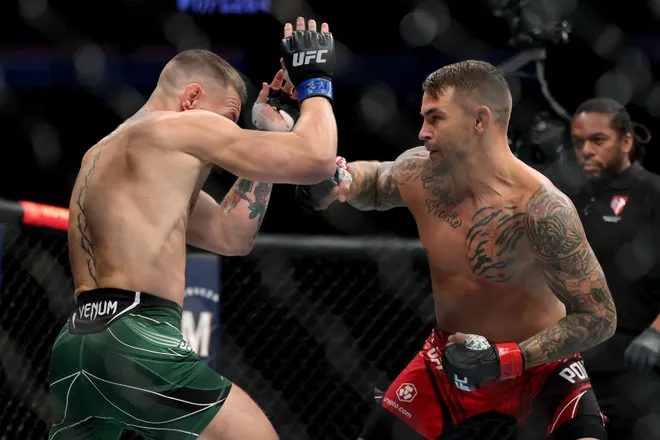
In modern MMA, where fights are structured as 3 rounds of 5 minutes or 5 rounds in title bouts, ground control can determine over 60% of scoring criteria. At UFC 229, Khabib Nurmagomedov dominated Conor McGregor with over 10 minutes of control time on the canvas. Despite McGregor landing significant strikes early, Khabib’s wrestling neutralized striking exchanges and led to a submission in round 4. Across 20 minutes of fight time, positional control outweighed striking accuracy. As control on the ground defines the pace of the bout, using IPL prematch provides early coefficients for different fight outcomes.
Another clear case came at UFC 264, where Dustin Poirier faced Conor McGregor again. While the fight ended due to injury, earlier exchanges showed Poirier mixing striking with clinch and ground pressure to limit McGregor’s output. In the first 5-minute round, control against the cage and on the mat reduced McGregor’s striking volume by nearly 50%. Over even a single round, that suppression shifts judging criteria significantly. When fighters dominate through grappling rather than striking, reviewing odds via prematch IPL allows access to pre-match betting lines before the fight begins.
Why grappling phases redefine fight dynamics
When a fighter secures top control, they can accumulate 2–4 minutes of dominance per round, which heavily influences scoring. In high-level bouts, control time exceeding 3 minutes in a 5-minute round usually guarantees that round on judges’ scorecards. Fighters like Islam Makhachev consistently maintain control rates above 60% per round. This reduces opponent striking opportunities to fewer than 10–15 significant attempts.
The core elements that make ground control decisive include:
- Control time exceeding 2–3 minutes per round
- Takedown success rates above 40–50%
- Ground strike accuracy reaching 60% or higher
- Submission attempts creating 2–3 high-pressure moments per fight
- Opponent strike reduction by 40–70% during control phases
That fundamentally changes both pacing and scoring. Another example is UFC 217, where Georges St-Pierre returned after 4 years and submitted Michael Bisping in round 3. GSP mixed striking with well-timed takedowns, accumulating over 5 minutes of control time. Despite Bisping landing clean shots in stand-up exchanges, he was repeatedly forced to the ground. Across 3 rounds, grappling control redefined the outcome more than striking exchanges.
