Why Homes Need to Evolve with Lifestyle Changes
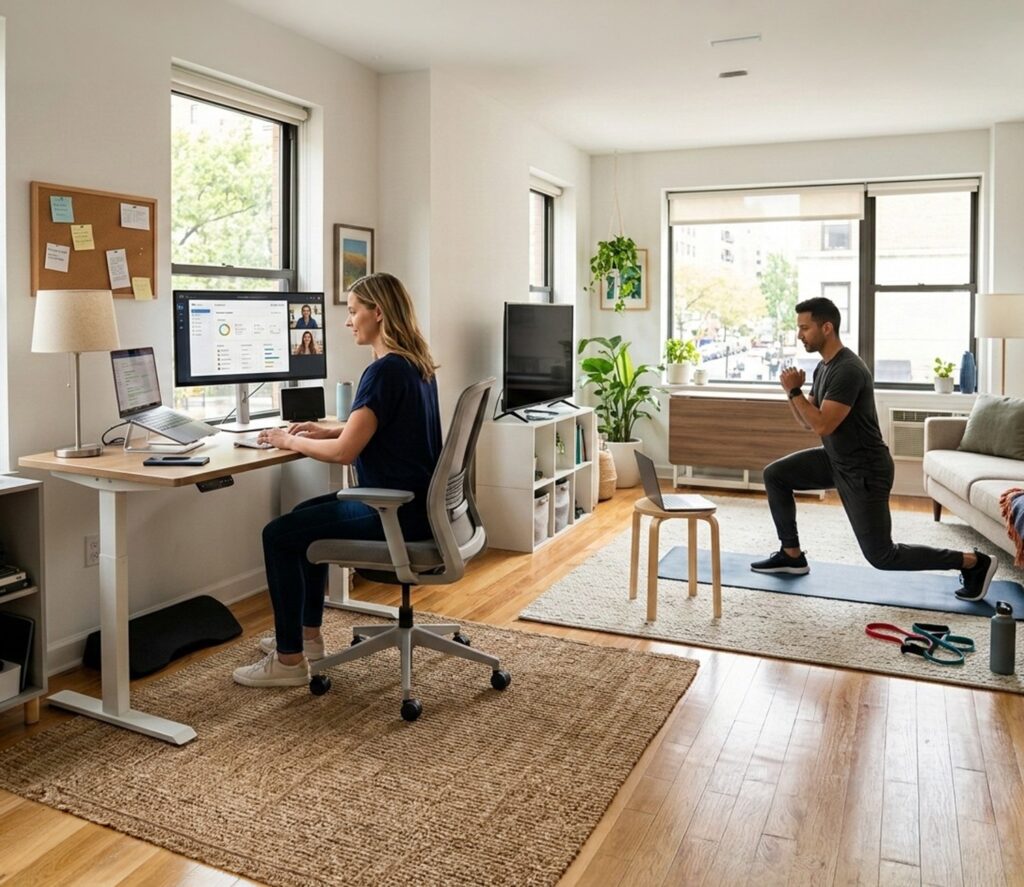
A home rarely stays the same for long. Life keeps changing and the space we live in slowly has to adjust along with it. A room that once worked perfectly may start feeling less useful after a few years. Work habits change, children grow up, and daily routines begin to look different from what they were before.
Many families notice this when work or study becomes a bigger part of everyday life. A corner that was once empty suddenly needs to become a small work or study area. In other cases, the living room may start serving more purposes than it did earlier. It may be used for relaxing, watching television, working on a laptop, or spending time with guests.
This is why it helps when a home is arranged in a way that allows small changes over time. Instead of completely redesigning a room, the space can simply adjust to new routines. A seating area might shift slightly, a study corner might be added, or a few pieces of furniture might be replaced.
For example, when children begin spending more time studying, having a comfortable study table for students becomes important. At the same time, the living room still needs enough seating for family members and visitors, which is where something like a 3 seater sofa often becomes useful.
When the home setup allows these changes to happen naturally, the house continues to feel comfortable even as life evolves.
Designing Flexible Living Spaces for Multiple Uses
Modern homes often need to support many different activities in the same room. The living room may not be used only for relaxing anymore. It might also serve as a place where children study, where someone works on a laptop, or where friends gather during the weekend.
Because of this, flexible spaces are becoming more important. A room that can easily adjust to different uses usually feels more practical in the long run.
One way to achieve this is by keeping the layout simple. When too much furniture fills the room, it becomes difficult to rearrange things later. Leaving some open space makes it easier to shift furniture whenever needed.
Living rooms are a good example of this idea. A comfortable 3 seater sofa can create a central seating area without taking over the entire room. Around it, smaller pieces like side tables or chairs can be moved easily whenever the room needs to serve another purpose.
The same approach works in bedrooms or study areas. If the furniture arrangement allows enough movement, the space can adapt over time. A corner that once held decorative items might later become a place for a study table for students when schoolwork becomes a daily priority.
When rooms are designed with flexibility in mind, they remain useful even as household routines change.
Updating Furniture Choices to Match New Needs
Furniture that suited a home a few years ago may not always suit the household today. As routines change, it often becomes necessary to rethink some furniture choices.
Comfort is usually the first factor people notice. A sofa that once felt perfect might start feeling too small when the family grows or when guests visit more often. In such situations, replacing smaller seating with something like a recliner sofa can make the living room more comfortable for everyone.
Furniture also needs to match daily habits. If studying becomes an important part of the household routine, adding a proper study table for students can make a big difference. Studying on a bed or couch may work occasionally, but having a dedicated place helps maintain focus and organization.
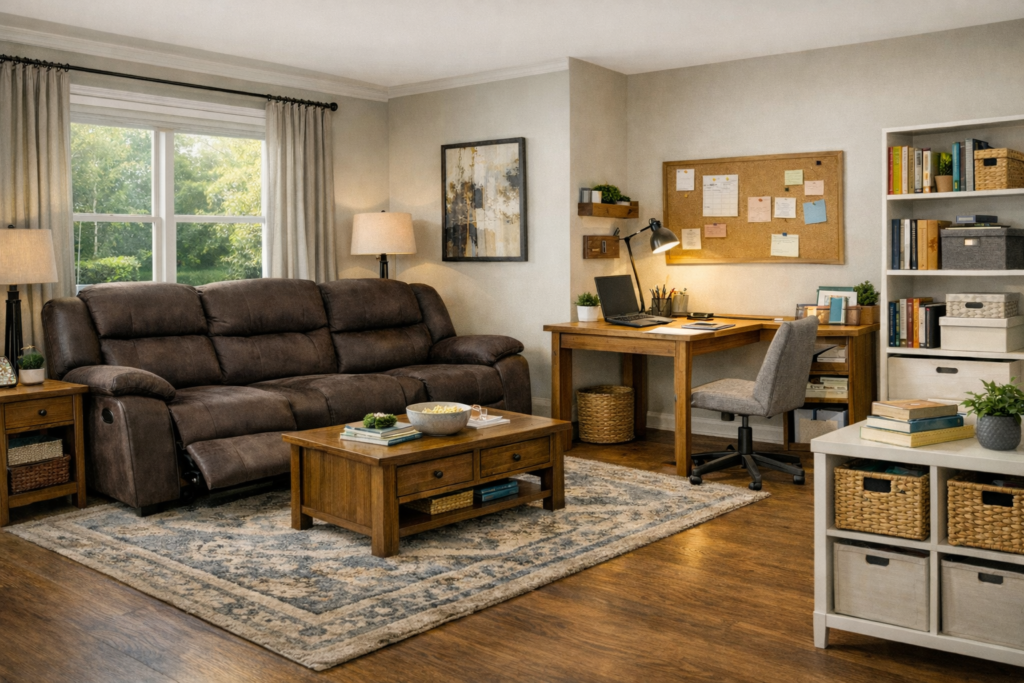
Practical furniture choices also help keep the home tidy. Pieces that offer storage or that fit neatly into the available space often work better than bulky furniture that fills the room unnecessarily.
The goal is not to keep replacing furniture frequently. Instead, it is about choosing pieces that suit the way the household actually lives.
When furniture supports everyday activities, the home begins to feel more comfortable and organized.
Improving Storage and Organization Systems
Another change that often happens over time is the need for more storage. As families grow and routines change, the number of items inside the house usually increases. Books, work materials, school supplies, and household items all need proper places.
Without a good storage system, these things can quickly begin to create clutter. Tables fill up, shelves become crowded, and rooms may start feeling disorganized.
Simple storage solutions can prevent this. Shelves, cabinets, and storage boxes help keep items sorted and easy to find. When everything has a designated place, maintaining order becomes much easier.
Study areas are a common example. When a study table for students is placed in the room, nearby shelves or drawers help store books, notebooks, and stationery. This keeps the study area neat and makes it easier for students to focus on their work.
Living rooms also benefit from organized storage. Books, magazines, or remote controls can be placed in small storage units near the seating area. This keeps the space tidy around the 3 seater sofa and prevents everyday items from spreading across the room.
Good storage planning does not just improve appearance. It also makes daily routines smoother because things are easier to find and put away.
Enhancing Comfort and Personalization in Living Spaces
As lifestyles change, personal preferences often change as well. The home should reflect these shifts so that it continues to feel comfortable and welcoming.
Sometimes this simply means adjusting the layout of a room. Moving a sofa slightly closer to the television or rearranging a study corner can make the space feel more convenient for daily use.
Lighting and décor also influence comfort. A room with warm lighting and a few personal touches usually feels more inviting than a space that looks overly formal. Adding family photographs, plants, or small decorative items can make the home feel more personal.
Seating areas are often the center of everyday life in a home. A comfortable 3 seater sofa provides a place where family members can relax together after a long day. When the seating area feels welcoming, the living room naturally becomes the heart of the home.
Personalization also matters in study areas. A well arranged study table for students with proper lighting and a quiet environment can help create a space where learning becomes easier.
These small adjustments help ensure that the home continues to support the needs and preferences of the people who live in it.
Creating a Home that Adapts Over Time
Homes are not static spaces. They change gradually as the lives of the people inside them evolve. Work routines shift, children grow older, and everyday habits develop in new ways.
When a home setup allows flexibility, these changes become much easier to manage. Rooms can serve multiple purposes, furniture can adjust to new needs, and storage systems can expand as required.
Simple choices often make the biggest difference. A comfortable 3 seater sofa can support family gatherings and daily relaxation, while a dedicated study table for students helps create a focused environment for learning.
By keeping layouts flexible and making thoughtful updates over time, homeowners can create spaces that remain comfortable and practical for many years. A home that adapts to lifestyle changes continues to feel welcoming, organized, and ready for whatever routines come next.