
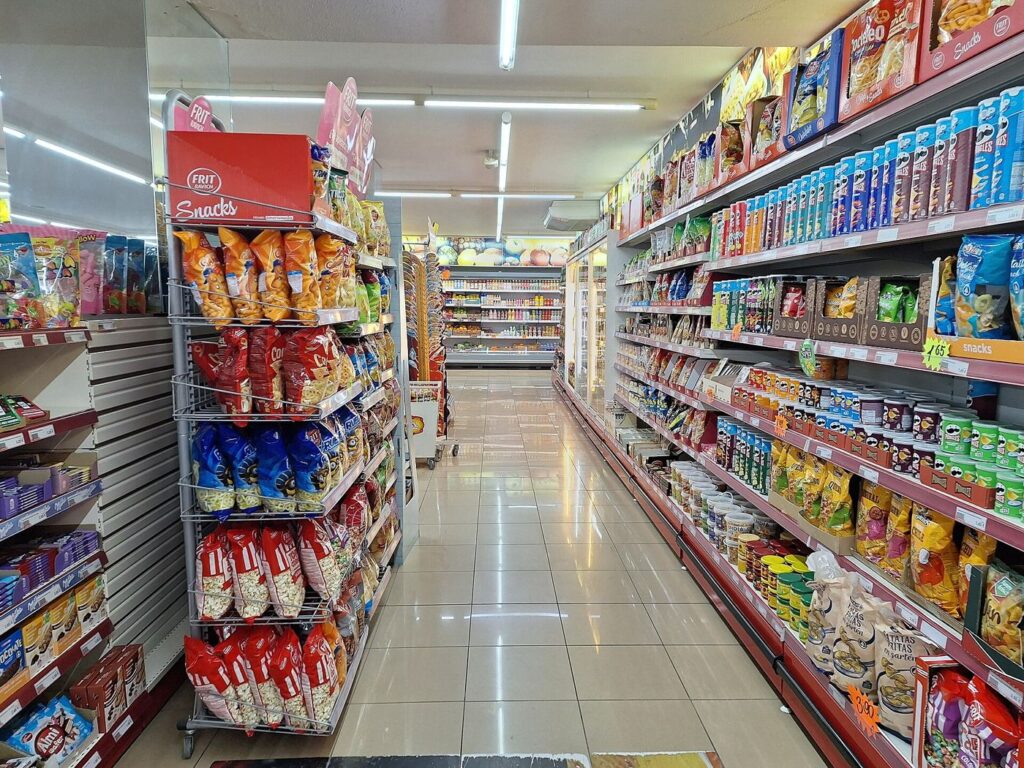
Cyberattacks on supermarket refrigeration systems in at least seven European countries pushed temperatures in fridges and freezers as high as 50°C, forcing retailers to throw away food. The attacks, reported on 2 November 2026, affected Belgium, Estonia, Ireland, Finland, Luxembourg, the Netherlands and Sweden. Supermarket refrigeration is controlled by software that manages temperatures across hundreds of stores from a central system, and when attackers disrupted it, chilled food warmed up and had to be discarded. The incidents followed an attack in October that hit as many as 700 supermarket sites in France, causing tens of millions of euros in losses. France later accused Iran’s Islamic Revolutionary Guard Corps of orchestrating the French attacks, which disrupted refrigeration at about 700 sites on 11 and 12 October. Retailers said the disruption forced some stores to close chilled sections for days while engineers worked to restore the temperature control systems.
What the Evidence Shows
The attacks show how cybercrime is reaching into everyday life. A supermarket fridge is not an obvious target, but modern stores depend on connected systems for refrigeration, stock and payments, and a single point of failure can spoil food across a whole chain. Retailers lost stock worth millions, and some stores had to close chilled sections while systems were restored. The perpetrators of the attacks outside France have not claimed responsibility, and investigators have not publicly attributed them. Security experts say the pattern, hitting the same kind of system in many countries at once, suggests a coordinated campaign rather than isolated incidents, and retailers across Europe are now reviewing how their refrigeration systems are connected to the internet. Security experts say supermarkets are attractive targets because a single attack can disrupt hundreds of stores at once, and the damage is visible to the public within hours. Reporting and analysis from sources such as Wired track the same developments, and specialists following the supermarket refrigeration cyberattacks say the direction is now consistent across independent lines of evidence.
The Wider Context
The wider context is an industry learning to ship capability and restraint together. Products built around the supermarket refrigeration cyberattacks now launch with safety evaluations, usage data and rollback plans as standard, because enterprise buyers and regulators ask for them in the first meeting. Companies that treated those questions as friction are discovering they have become the purchase criteria.
What Happens Next
What happens next for the supermarket refrigeration cyberattacks depends less on another breakthrough than on the unglamorous work of reliability, pricing and support. The buyers evaluating it now are not enthusiasts; they are operators with budgets and auditors, and their checklists will decide the timeline. On the evidence of the current pilots, the technology has earned the right to be judged by them. You can follow related developments in our coverage of technology.
None of this will be settled by a single announcement, study or product launch. The pattern to watch is accumulation: independent confirmations, honest reporting of failures and steady improvement in the underlying numbers. Readers who follow those signals, rather than the loudest claim of the week, will understand this subject better than most of the commentary surrounding it suggests is possible.
