
Adding a second cat changes the arithmetic of almost everything in a home, and the litter box is no exception. One box that worked perfectly for a single cat suddenly becomes a contested resource, a source of stress, and a daily cleanup job that never seems finished. Cats are territorial about elimination spots, and a box that is always occupied or always dirty is a box that at least one cat will start avoiding.
The good news is that multi-cat litter setups fail for predictable reasons and respond to predictable fixes. The problems are rarely about bad cats. They are about too few boxes, boxes clustered in one place, and cleaning schedules designed for one cat but applied to several. This guide covers how to build a station that keeps every cat using the box and keeps the house from smelling like a shelter.
Start With the Right Number of Boxes
The accepted guideline is one box per cat plus one extra. Two cats need three boxes, three cats need four, and so on. This is not a marketing trick to sell more boxes. It is a behavioral necessity, because cats do not share litter boxes the way they share a sunny windowsill. A subordinate cat may avoid a box that a more confident cat claims, and a single shared box gives the shy cat nowhere to go.
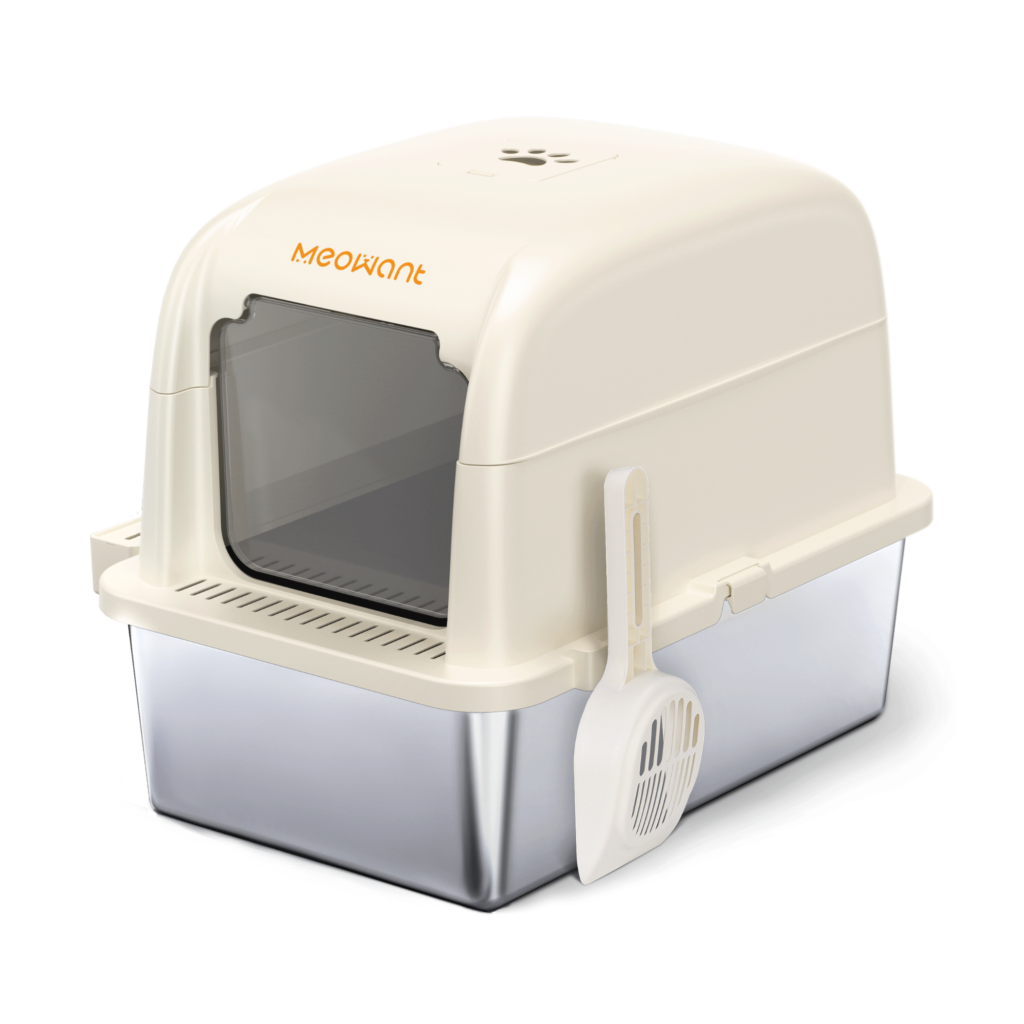
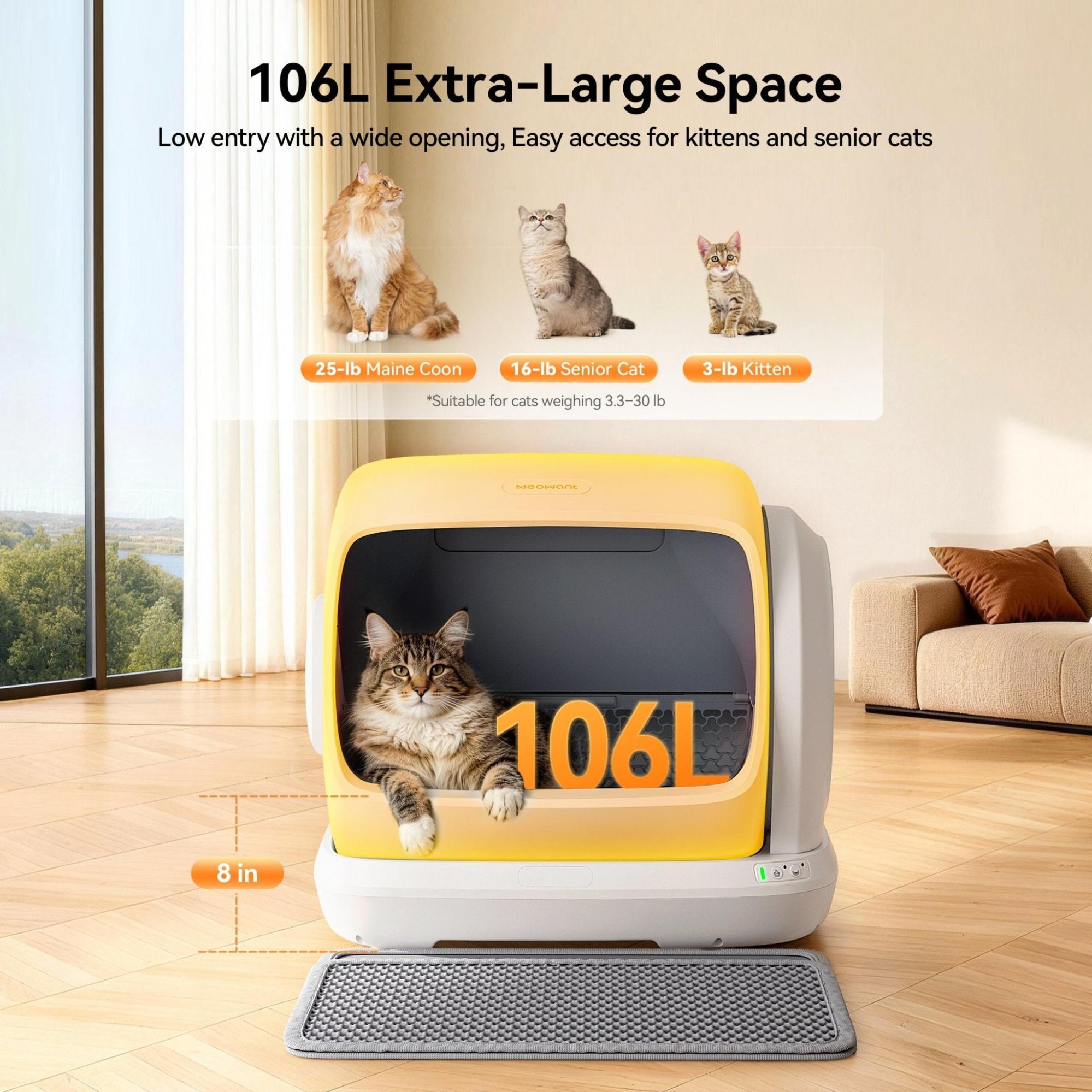
Size matters as much as number. A large cat litter box per cat, sized to the biggest cat in the house, prevents the crowding that leads to accidents. If floor space is limited, choose taller boxes with smaller footprints rather than short boxes that force cats to crowd each other. Height is free in terms of floor area and gives each cat room to turn and dig.
Why “Plus One” Is Not Optional
The extra box is a buffer. If one box is occupied, dirty, or temporarily removed for cleaning, the extra keeps the station functional. Without it, a cat that arrives to find its preferred box busy has to wait or find an alternative, and the alternative is often a corner of the hallway. The buffer box is what prevents that decision from being made at all.
The extra box also matters during illness or recovery. When one cat needs isolation or has a urinary issue, a spare box lets you keep the others’ routine intact without sharing equipment. In a multi-cat home, redundancy is hygiene.
Spread the Boxes Across the Home
Three boxes lined up in one laundry room function as a single station. A cat that is blocked from that room, or that dislikes the cat guarding it, has no alternative. Distribute boxes across different rooms and, ideally, different floors, so every cat has at least one option that does not require passing a rival.
Placement should also avoid bottlenecks. A box at the end of a narrow hallway, behind a door that only opens one way, or in a room with a single exit creates a trap that a nervous cat will avoid. Choose spots with more than one approach and a clear line of sight, so a cat can use the box without feeling cornered. Quiet spare rooms, bathrooms with the door ajar, and low-traffic corners of living areas all work well.
Keep Food and Water Separate
Cats instinctively avoid eating near where they eliminate. In a multi-cat home, placing food and litter in the same small room forces every cat to choose between two needs that should never compete. Keep feeding stations in a different room from the boxes, and keep water bowls well away, since cats are also reluctant to drink near waste.
If space is tight, use vertical separation: feeding on a counter or shelf the cats can reach, with boxes on the floor in another area. The goal is to give each cat a clean, distinct zone for eating and a separate, safe zone for eliminating.
Adjust Cleaning for the Number of Cats
One cat’s box can be scooped once a day and fully changed every few weeks. Three cats’ boxes cannot follow that schedule without turning sour. More cats mean more waste per box, faster ammonia buildup, and less tolerance from fastidious cats. Scoop at least twice a day in a multi-cat home, and change litter more often than you would for a single cat.
Watch for the subtle signs that the schedule is failing: cats eliminating just outside the box, scratching at the floor near the box, or suddenly preferring one box over all others. These are not random. They usually mean the other boxes are too dirty or too contested, and the cat has found the only acceptable option. Fix the schedule before the behavior becomes a habit.
Deep Cleaning Without Disrupting Everyone
Deep clean one box at a time, not all at once. If every box is scrubbed on the same afternoon, the cats temporarily have no familiar option, and a stressed cat may choose the carpet. Clean one box, let it dry, refill it, and only then move to the next. This keeps at least one acceptable box available at all times.
Use mild soap and hot water, and rinse thoroughly. Strong scents and bleach residue can drive cats away from a freshly cleaned box, which defeats the purpose. Let each box air dry completely before refilling, and consider keeping a spare liner or two so a box can be swapped in while another dries.
Managing Tension and Avoidance
In a multi-cat home, the litter box is often where social tension becomes visible. A confident cat may guard a box, block the doorway, or simply occupy it at the times the shy cat needs it. The shy cat then holds its waste or eliminates elsewhere, which creates both a health risk and a mess. More boxes in more locations reduce the chance that any single encounter blocks access.
Watch the traffic patterns. If one cat always uses one box and never touches the others, the others may be effectively unavailable to it. That is a sign to add a box in a different area or to reposition the existing ones so each cat has a route that avoids the others. Sometimes moving a box two meters into a hallway is enough to change the dynamic.
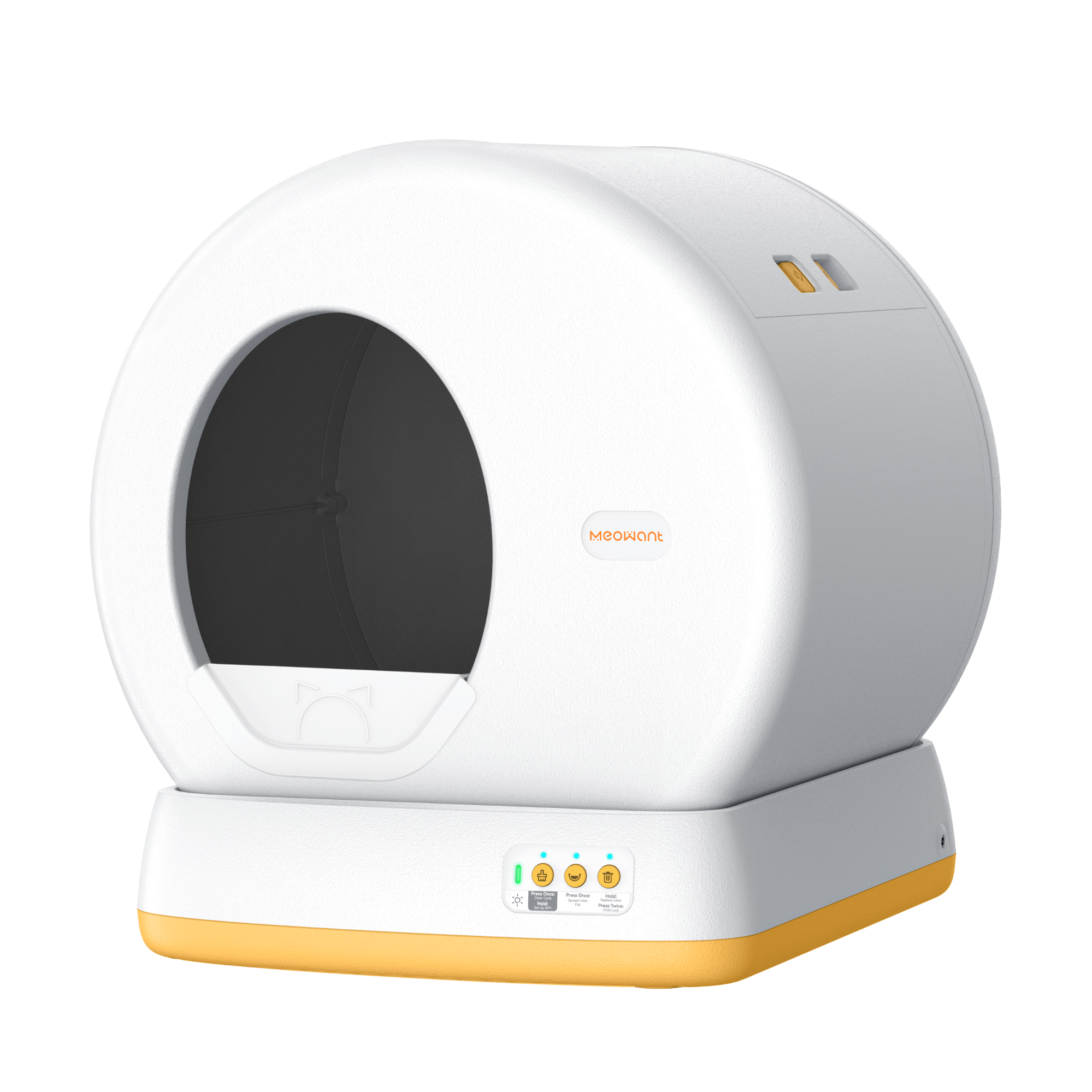
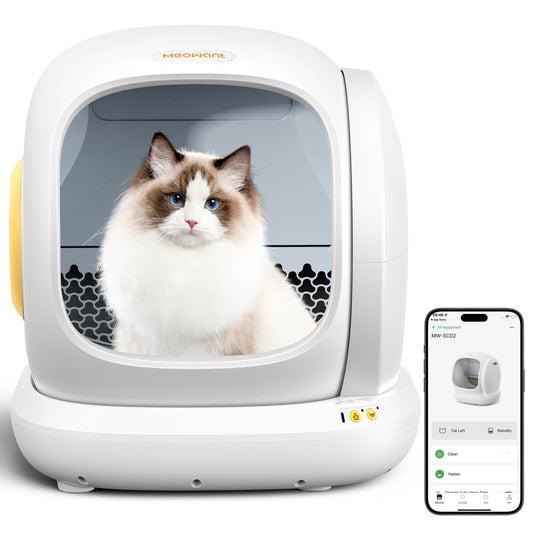
An automatic box can help in a busy multi-cat home by keeping the surface clean between scooping rounds, which reduces the chance that a fastidious cat rejects a dirty box. Meowant’s self-cleaning designs seal waste away after each cycle, which matters more when several cats are producing waste throughout the day. The machine does not replace the need for enough boxes, but it raises the floor on hygiene between cleanings.
When to Call the Vet
Not every multi-cat litter problem is behavioral. A cat that suddenly urinates outside the box, strains to urinate, or produces only small amounts may have a urinary tract issue, and male cats in particular can decline quickly. If the behavior is new, frequent, or accompanied by crying or licking, a vet visit comes before any setup change.
Once health is ruled out, the fix is almost always environmental: more boxes, better spread, more frequent cleaning, and less competition. Cats are creatures of habit, and a station that gives each cat a private, clean, accessible option removes the reason for conflict. That is the real goal of a multi-cat setup, not just fewer messes but fewer reasons for cats to compete at all.
Introduce changes slowly in a household with several cats. Add one new box, leave it in place for a week, and watch who uses it before moving anything else. Cats need time to accept a new object, and a rushed overhaul can make the whole station feel unfamiliar at once. Small, sequential changes are easier to read and easier for the cats to absorb.
A Calmer Station for Every Cat
A multi-cat litter setup works when it gives every cat its own private, clean, accessible option. That means enough boxes, spread across the home, cleaned more often than a single-cat schedule would suggest. The extra box and the extra minutes of scooping are what prevent the guarding, avoidance, and accidents that make multi-cat homes feel chaotic.
Count your cats, add one, and place the boxes in separate rooms with clear sightlines and quiet surroundings. Keep food and water far away, deep clean one box at a time, and watch for the early signs of tension before they become habits. If scooping is the weak link, an automatic box can keep the surface fresh between rounds. Do those things and the litter station becomes what it should be: a calm, reliable part of a busy household.
