
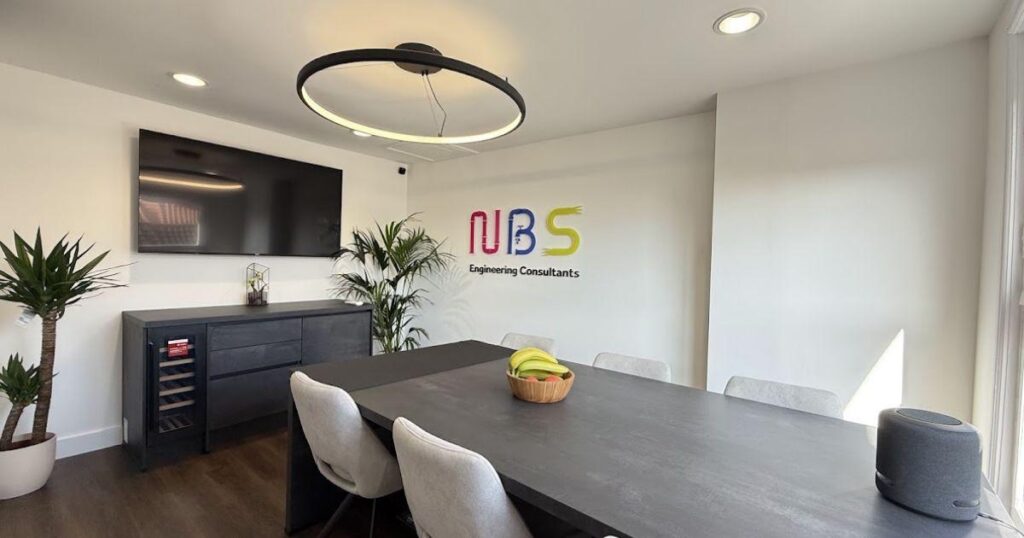
Nothing makes a new office feel unfinished faster than missing signage. When the entrance has no logo, meeting rooms have no names, and corridors give no directions, visitors get lost and staff spend their first week asking for help. It usually happens because signage gets pushed behind leases, IT, and furniture until there’s no time left to plan it properly.
A fit-out is the best time to get signage right. The walls are clean, the glass is untouched, and installers can work without disturbing a busy team. If you plan signs alongside the layout instead of after it, you save money and the new space feels finished from the first morning your staff walk in.
What to Include in Your New Office Signage
Keep these ideas in mind as you plan your new premises:
1. Brand the Entrance Before Day One
Your entrance is the first thing clients, couriers, and new staff see at the new address, so it should be ready before the doors open. An unbranded door makes a business look like it hasn’t fully arrived. Window logo stickers on the main entrance glass tell people they’re in the right place and give the move a confident start.
If you share a building, add your logo to the lobby directory and the floor landing as well. Include opening hours and a contact number beneath the logo on the door. Order these early, since entrance graphics are often the first thing people photograph when they share news of your move.
2. Build Privacy Into Glass Meeting Rooms
Modern fit-outs love glass partitions. They keep floors bright and open, but they can leave meeting rooms feeling like goldfish bowls once the team moves in. It’s easier to plan screening during the fit-out than to fix it after staff start complaining.
Frosted glass stickers for windows give rooms privacy without blocking natural light. A band at seated eye level suits most meeting rooms, while HR offices and boardrooms may need fuller coverage. Ask your fit-out contractor for the exact glass dimensions early so graphics can be produced in time. Adding your logo or a brand pattern to the frosting turns a practical fix into part of the interior design.
3. Meet Safety Rules Without Plain Strips
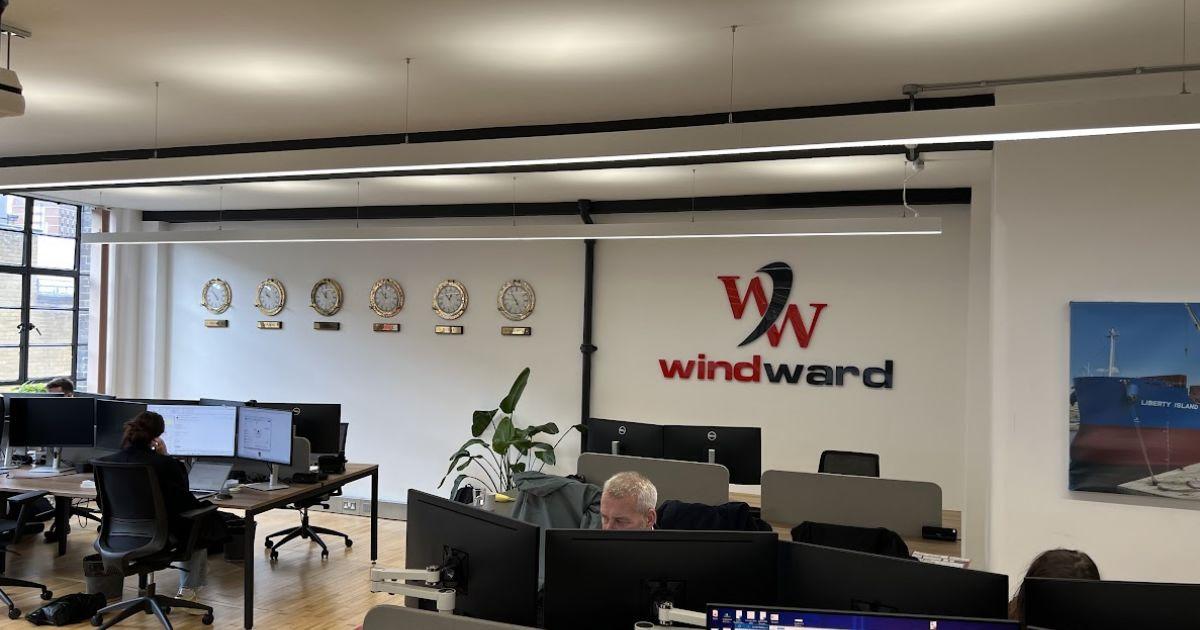
New glazing almost always needs manifestation, the markings that stop people walking into clear glass. Building control may check for it before you can occupy the space, so it’s worth sorting early rather than leaving it to a last-minute rush.
A plain frosted sticker strip will pass inspection, but it does little for the look of a brand-new office. Patterns, cut-out shapes, or repeated logo icons meet the same requirement and tie the glass into the rest of your design. Confirm the required height bands with your contractor before artwork is finalised. That way the markings satisfy the rules, keep staff safe, and still look like a deliberate design choice.
4. Help Everyone Find Their Way
In a new building, everyone is a newcomer for the first few weeks. Staff need to find their desks, visitors need to find reception, and nobody wants to ask where the toilets are on day one. Clear wayfinding cuts down confusion and helps the team settle in faster.
Wayfinding Ideas Worth Considering:
- Room names or numbers on every meeting room door
- Department names on partitions and entry points
- Directional arrows at busy corridor junctions
- Floor numbers in lifts and stairwells
- Simple icons marking kitchens, toilets, and quiet zones
Walk the floor plan before ordering and imagine arriving for the first time. Any spot where you’d hesitate needs a clear sign.
5. Bring Your Culture Into the New Space
A move is a chance to reset how the office feels. Rather than carrying old posters across in a box, plan graphics that reflect where the business is heading. Breakout areas, kitchens, and long corridors suit company values, a short mission statement, or illustrations linked to the work you do.
These touches help staff feel the new premises belong to them, which matters when people are adjusting to a different commute and a new routine. They also show visitors what kind of company you are. Keep the wording brief and the style consistent with your brand. A few well-chosen pieces will feel more considered than covering every wall at once.
6. Plan for Growth and Change
Businesses rarely stay the same shape for long after a move. Teams grow, rooms get repurposed, and the meeting room you named after a client might need a new name in a year. Signage should be able to keep up without costly replacements.
Removable vinyl is ideal for room names, department labels, and campaign graphics that may change. Save permanent fixings for your logo, safety markings, and anything unlikely to move. Keep all artwork files in one place and agree a simple reorder process with your supplier. Small updates then become quick jobs rather than full projects, and the new office keeps looking sharp as the business grows into it.
Planning Ahead for a Smooth Office Move
An office move is one of the few times a business gets a completely blank canvas. Signage planned during the fit-out helps the new space feel finished, keeps people safe, and makes it easy for staff and visitors to find their way from the very first day.
Start early, ideally when the floor plan is signed off, and list every door, partition, and pane of glass that needs attention. A short audit now saves rushed orders and awkward gaps later. Then work with a supplier who understands your brand and your deadlines. With the right planning, your new premises will look settled and professional long before the last box is unpacked.
